International Women’s Day is a good example of how social media can raise awareness about an issue while also exposing all of its contradictions. After consuming media across Instagram, Youtube, Reddit, and official campaign pages, the biggest pattern I noticed was that this year’s conversation around Women’s Day was not only about celebrating women, but about whether celebration alone is enough. The UN framed this year’s observance around “Rights. Justice. Action. For ALL Women and Girls,” while other campaign materials promoted “Give To Gain,” which made the discussion feel split between advocacy and branding. This contradiction became the main story; people wanted to post, support, and participate, but there was less agreement on whether the day should feel inspirational, political, or measurable.
One of the clearest things I found is that the conversation was being driven by competing frames. Official UN content was direct and urgent, emphasizing justice, legal protections, and action for women and girls. A good example is the UN Women YouTube video “RIGHTS. JUSTICE. ACTION. International Women’s Day 2026,” which uses specific language and protest-style visuals to argue that women are being targeted and that people must “stand up,” “speak up,” and “show up.” That video matters because it sets a serious tone and tells viewers this is not supposed to be just another awareness campaign. At the same time, other campaign videos online promoted the phrase “Give To Gain,” which sounds more motivational and donor-friendly. That gap is important because it changes how audiences understand the purpose of the day and whether it is about structural justice or a general show of support.
Another trend is the way some platforms are attempting to lead the conversation, but users are reframing it in more personal or cultural ways. On Instagram, official and professional accounts such as UN Women, the United Nations, and Nobel Prize used polished visuals, purple branding, and short explainer-style posts to present the day as global and urgent. One useful example is the Instagram reel from the UN describing the 2026 theme as “Rights. Justice. Action. For ALL Women and Girls,” because it turns a broad issue into a platform-native, shareable video that can circulate quickly. By contrast, Reddit threads showed people discussing International Women’s Day through local customs, gift-giving, marches, and what the holiday looks like in their own countries. That difference reveals something important: influencers and institutions may set the vocabulary, but the public often translates the day into familiar habits and local traditions.
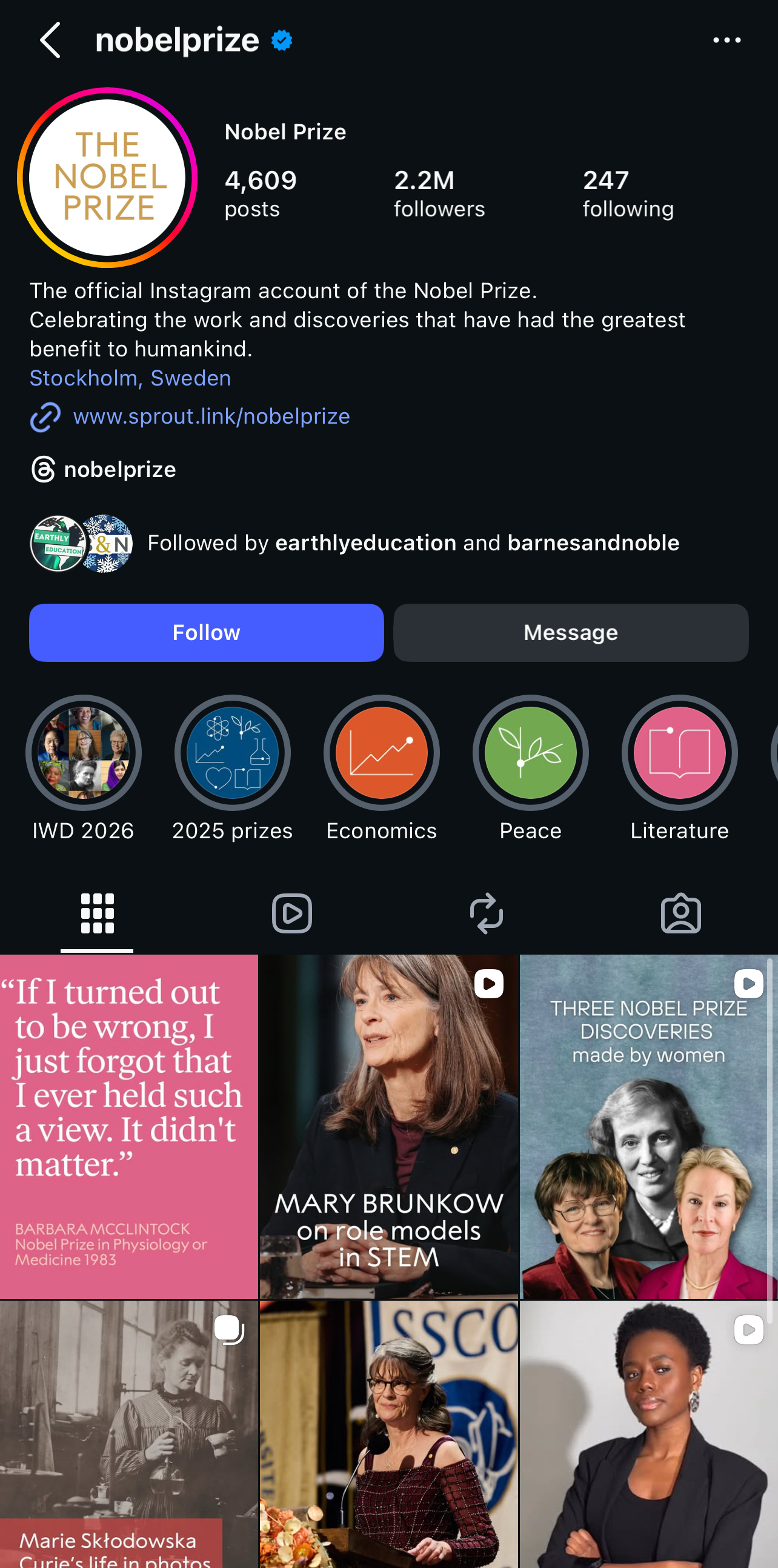
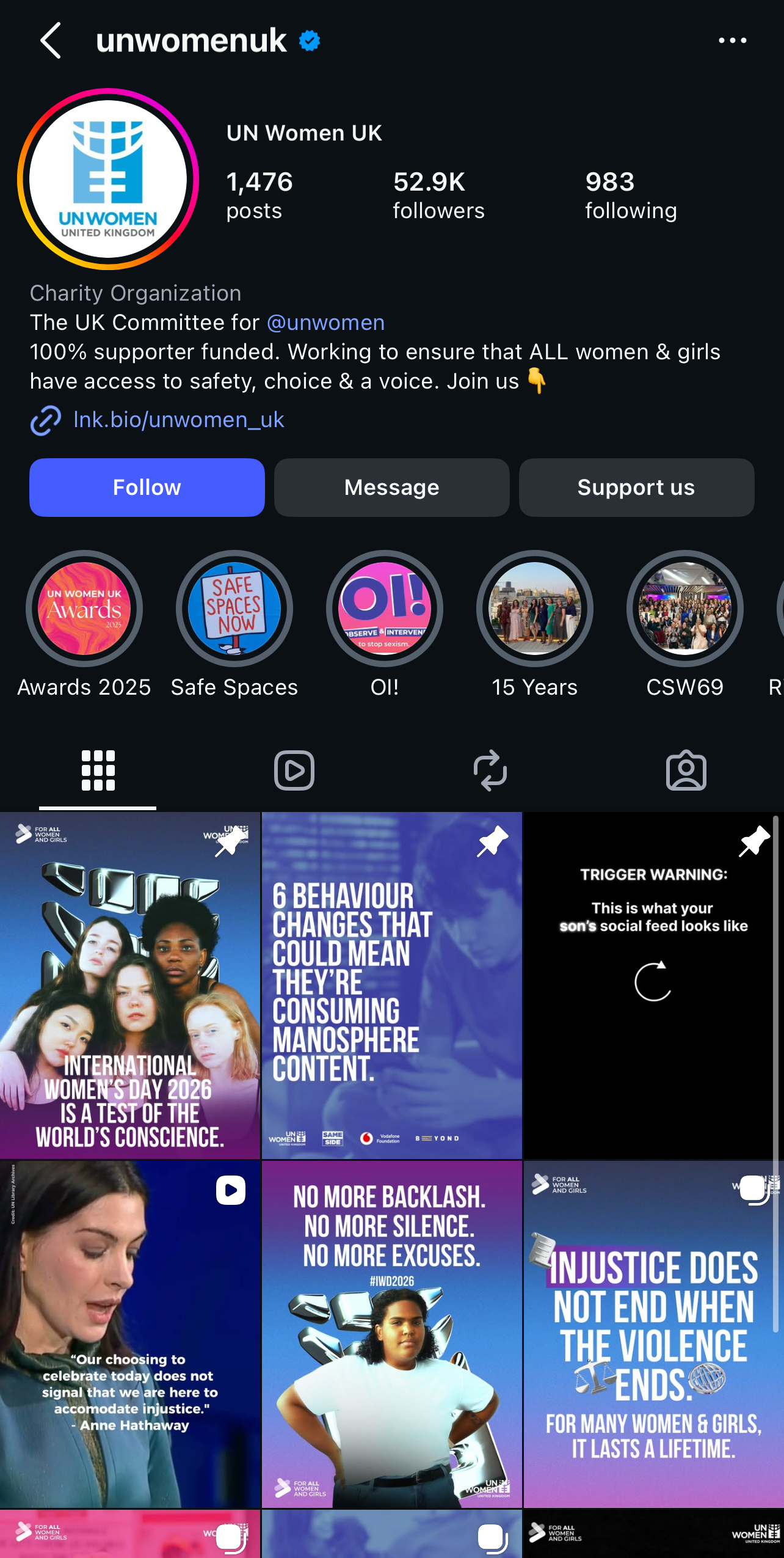
The third trend I noticed is that the most shareable content is not always the most specific. Many of the images and videos being used rely on emotionally effective formats: portraits of women, inspirational text, protest footage, and short reels built for quick engagement. Another strong video example is the UN Secretary-General’s International Women’s Day 2026 message on YouTube, which reinforces the urgency of defending women’s rights and gives the issue global authority. These videos are reputable and useful because they provide context from official sources rather than random commentary. However, there are still aspects missing from the conversation regarding the details about what comes next in terms of which laws should change, which institutions are responsible, and how progress will be measured. Even professional commentary has started to point out this weakness, arguing that International Women’s Day risks becoming slogan-heavy unless organizations connect posts to year-round strategy and concrete outcomes.
The social media conversation around International Women’s Day this year was powerful because it shows both the strengths and limits of platform activism. Social media is clearly effective at creating visibility, repeating key messages, and giving institutional voices a large audience. But from what I found, the deeper story is about the contrast between visibility and accountability. The day is attracting attention, yet the most interesting gap is that many posts tell people to care without always telling them what action should follow. That is why the strongest interpretation of this year’s conversation is not simply that people are celebrating women, but that they are debating what meaningful support should actually look like in the future.